Degu

Octodon Degu
Degu
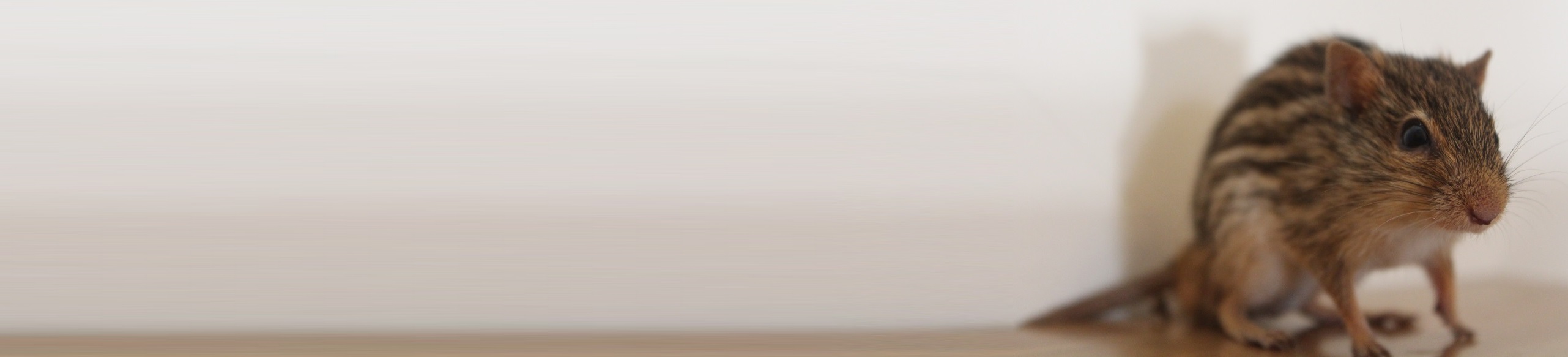
Adult degu. Img:Pierre Camateros

Degus are also known as the common degu, or occasionally as the brush-tailed rat; They have an average lifespan of 6-8 years. Degus are larger than mongolian gerbils, typically measuring from 25-31cm with a weight of around 170-300g. The majority of Degus in captivity retain their natural agouti colour, although a blue variant does exist.

Degus are an extremely active, social rodent. In the wild they would live in large colonies so should be kept with company in captivity. A lonely pet Degu has a much lower life expectancy, and quality, than a Degu kept with company. Introducing adult Degus can be very tricky and is best done outside of their natural breeding season (early winter-late spring each year) when they are likely to be less territorial. However this is not recommended if you also have any girls where they can be smelt, as the male degu may fight when the girl comes into season. A neutered male degu can be introduced more easily to a female/females than to another male.

They are naturally diurnal which makes them an easier pet to interact with. They are generally friendly, and very intelligent. A large, solid based wheel is essential for them to exercise in and they will also enjoy a dust bath.

A large parrot or ferret cage is ideal for Degus, although care must be taken with the wire floors. Pet Degus can develop a painful condition called bumblefoot as a result of wire floors; floor can be covered these with cardboard or similar material to prevent bumblefoot. Wooden ledges, hammocks, tubes and ropes make good climbing opportunities and enrichment. A large wooden nesting box should be given, with pet-safe bedding or stuffed with hay. You can also provide branches from trees providing you have taken care to check the wood is safe for rodents.

Degus are sugar intolerant and are prone to diabetes. A commercial hamster/gerbil mix is therefore unsuitable. A base mix of Chinchilla pellets (not mix as this may contain sugary dried fruits) together with a decent guinea pig mix is recommended. Hay should also be provided, either in a hay rack or in bowls. Water should always be available. Fresh fruit can be offered on occasion.

Degus gained prominence in the UK pet trade around 2007, which resulted in a large rescue effort. The long lifespan, complicated diet needs, large cage requirements and activity level make them unsuitable as a pet for a very young child or someone unprepared.

Degus and Chinchillas can co-habit, although degus should be provided with a separate area but connected area that they can retreat to if needed. This should only be attempted by a keeper experienced with rodents and would never substitute for company of their own kind.

Degus have a long gestation at 86-93 days and an average litter size is 6, although this can range from 2-12. Degu pups are born quite developed, with full fur and open eyes and so are able to explore within a few hours of birth. Male degu help raise the young, so can be left in with the female although it is recommended to remove him for the four days post birth to prevent him mating with the female straight away. Pups are weaned at 4-6 weeks which is when they need separating out since female degu can become sexually active as young as 7 weeks of age. Male degu become sexually mature at around 12 weeks.

Further reading


This site was designed by Christine Goddard © 2011